Navigating the Web Development Landscape: Trends and Best Practices in HTML, React, Angular, Laravel, and PHP

Web development is a dynamic field that constantly evolves with new frameworks, libraries, and best practices. As developers navigate through the vast landscape of technologies such as HTML, React, Angular, Laravel, and PHP, it's crucial to stay updated on the latest trends and techniques. This article dives into the current state of web development, exploring the intricacies of front-end and back-end technologies, the intersection of design and development, emerging trends, and best practices to ensure success in building modern web applications.
Key Takeaways
- Understanding the 'Big Three'—Angular, React, and Vue.js—is essential for modern front-end web development, offering dynamic interfaces and simplifying data binding.
- Back-end development has seen a shift from traditional scripting in PHP to the use of sophisticated frameworks like Laravel, enhancing structure and maintainability.
- Responsive design and user experience (UX) are at the forefront of web development, with CSS frameworks and data visualization tools playing a pivotal role.
- Emerging technologies such as Progressive Web Apps (PWAs), AI, and machine learning are redefining the capabilities of web applications, offering new possibilities for interaction and functionality.
- Adopting best practices such as a mobile-first approach, prioritizing security, and implementing CI/CD workflows is vital for the development of reliable and efficient web applications.
Front-End Development: Frameworks and Libraries

Understanding the 'Big Three': Angular, React, and Vue.js
In the realm of front-end development, the 'Big Three' - Angular, React, and Vue.js - stand as titans, each offering unique philosophies and capabilities to the web developer's arsenal. Angular's component-based architecture and TypeScript integration cater to enterprise-level applications demanding consistency and maintainability. React's declarative approach and vibrant ecosystem make it a go-to for interactive UIs with its virtual DOM. Meanwhile, Vue.js strikes a balance with its gentle learning curve and progressive framework, making it accessible for both small projects and scalable solutions.
- Angular: Emphasizes structure and scalability.
- React: Prioritizes interactivity and performance.
- Vue.js: Offers simplicity and flexibility.
The choice between Angular, React, and Vue.js can profoundly influence the trajectory of a project, shaping not only its development process but also its long-term viability and maintainability.
As a web developer offering AI-powered applications using GPT-4, specializing in MERN, MEAN, Laravel, Symfony, Express, and providing extensive experience and premium customer support, it's crucial to stay abreast of these frameworks' evolution. The decision to adopt one over the others should be informed by the project's specific needs, team expertise, and the desired balance between performance and productivity. Dive deeper into each framework's ecosystem, and you'll find a wealth of resources and community support to guide you through your development journey.
Are you ready to harness the full potential of the 'Big Three'? Explore our in-depth guides and tutorials, and join a community of forward-thinking developers committed to crafting exceptional web experiences. Your next project deserves the best - ensure it thrives with the right framework.
The Role of JavaScript and TypeScript in Modern Web Development
In the realm of Front-End Development Technologies, JavaScript and TypeScript stand as the twin pillars supporting the edifice of modern web applications. These languages are the lifeblood of Modern Web Application Frameworks, driving the functionality and interactivity that users have come to expect.
Frameworks like React and Angular have revolutionized the way developers approach front-end development, offering robust tools for creating dynamic, responsive user interfaces. TypeScript, with its static typing, enhances JavaScript's flexibility, allowing developers to write more maintainable and error-resistant code.
The evolution of automation tools in software engineering, from basic scripts to AI-driven systems, has been remarkable. AI integration not only enhances efficiency but also elevates the quality and productivity in development processes.
As we navigate the ever-evolving landscape of web development, it's crucial to stay abreast of the latest trends and tools. Here's a snapshot of the essential front-end technologies:
- HTML
- CSS
- JavaScript/TypeScript
- React.js
- Angular
Embrace these technologies to ensure your web applications remain at the forefront of innovation and user engagement. Remember, the journey of learning and adaptation never ends in the digital world. Are you ready to take the next step and master these pivotal tools?
Evaluating the Impact of Front-End Libraries: jQuery and Beyond
The advent of jQuery marked a significant milestone in the evolution of front-end development. Its simplification of complex scripting tasks made it an indispensable tool for developers. However, the landscape has vastly expanded since jQuery's heyday. Modern libraries and frameworks, such as React and Angular, have introduced more structured approaches to building dynamic user interfaces.
While jQuery streamlined tasks like DOM manipulation and event handling, it's the declarative nature of libraries like React that now empowers developers to construct responsive interfaces with less code. The shift towards component-based architecture has not only enhanced the scalability of web applications but also improved maintainability.
Embracing modern front-end technologies is crucial for delivering rich, interactive web experiences that meet today's user expectations.
Despite the benefits, transitioning to these advanced tools can be daunting. Here's a quick comparison to guide you:
- jQuery: Easy to learn, vast plugin ecosystem, ideal for simple projects.
- React: Component-based, efficient for large-scale applications, requires understanding of modern JavaScript.
- Angular: Comprehensive framework, includes built-in features for complex projects, steep learning curve.
The choice of library or framework can profoundly influence the development process and the final product. As we continue to witness the AI-driven analytics revolutionize the web, it's imperative for developers to stay informed and adapt to these changes for strategic growth and competitive advantage.
Back-End Development: Server-Side Technologies

The Evolution of PHP: From Scripting to Frameworks like Laravel
The PHP landscape has undergone a remarkable transformation, evolving from a simple scripting language to a powerhouse with robust frameworks like Laravel. Laravel's elegant syntax and rapid development capabilities have positioned it as a frontrunner in the PHP framework arena. With a large community and a plethora of packages, Laravel enhances productivity and maintainability through its adherence to the Model-View-Controller (MVC) architecture.
Key features that set Laravel apart include:
- Eloquent ORM for streamlined database interactions
- Blade Templating Engine for dynamic web pages
- Artisan CLI, a command-line interface for project management
- Built-in Authentication and Authorization for secure user management
Laravel's ecosystem is not just about tools; it's a philosophy of web development that prioritizes elegance, simplicity, and readability.
AI-driven automation and emerging technologies are transforming software development. Laravel's ability to integrate with these technologies ensures that developers can leverage AI for scalable growth and seamless expansion in businesses. As we delve deeper into the nuances of Laravel and its comparison with other server-side technologies like ASP.NET Core, it's crucial to recognize the importance of choosing the right framework for your project's needs.
Node.js and .NET Core: A Comparative Analysis
When it comes to back-end development, the choice between Node.js and .NET Core can be pivotal for your project's success. Node.js shines with its non-blocking I/O model, ensuring efficient data handling for real-time applications. On the other hand, ASP.NET Core is recognized for its robust security and high performance, particularly in cloud environments.
The decision often boils down to the specific needs of your project and the expertise of your development team. For those steeped in the JavaScript ecosystem, Node.js offers a seamless transition with its JavaScript-based environment. Conversely, ASP.NET Core might appeal to those looking for a framework that excels in security and performance, albeit with a potentially steeper learning curve.
Embrace the strengths of each framework to architect web solutions that are secure, scalable, and responsive to your users' needs.
Remember, the web development landscape is ever-evolving. Innovate and scale SaaS with AI tools like OpenAI Feather and SIU Business GPT Fleet for competitive edge. Democratize AI development, customize solutions, and market innovations effectively. Stay ahead by continuously learning and adapting to new technologies and methodologies.
The Emergence of Backend as a Service (BaaS) Platforms
As the digital world continues to evolve at a breakneck pace, Back-End Development Advances have become a cornerstone for businesses seeking to maintain a competitive edge. The emergence of Backend as a Service (BaaS) platforms has been a game-changer, offering a streamlined approach to server-side development that can significantly reduce time-to-market for new applications.
BaaS platforms abstract away much of the complexity associated with back-end infrastructure, allowing developers to focus on creating rich user experiences without the burden of managing servers, databases, or networking. This shift towards serverless architectures is not just a trend; it's a strategic move that aligns with the growing demand for agile and scalable web solutions.
The integration of AI analytics into BaaS platforms is revolutionizing the SaaS landscape. By enhancing customer experience, optimizing processes, and predicting market trends, businesses are achieving sustained growth and competitiveness.
The benefits of adopting BaaS are numerous, but here are a few key points to consider:
- Rapid prototyping and deployment
- Scalability and flexibility
- Reduced overhead and operational costs
- Enhanced security features
As we continue to witness the rise of low-code solutions and the integration of AI analytics, it's clear that the future of back-end development is leaning heavily towards automation and intelligent systems. Embrace these advancements and ensure your web development practices are at the forefront of innovation.
The Intersection of Design and Development
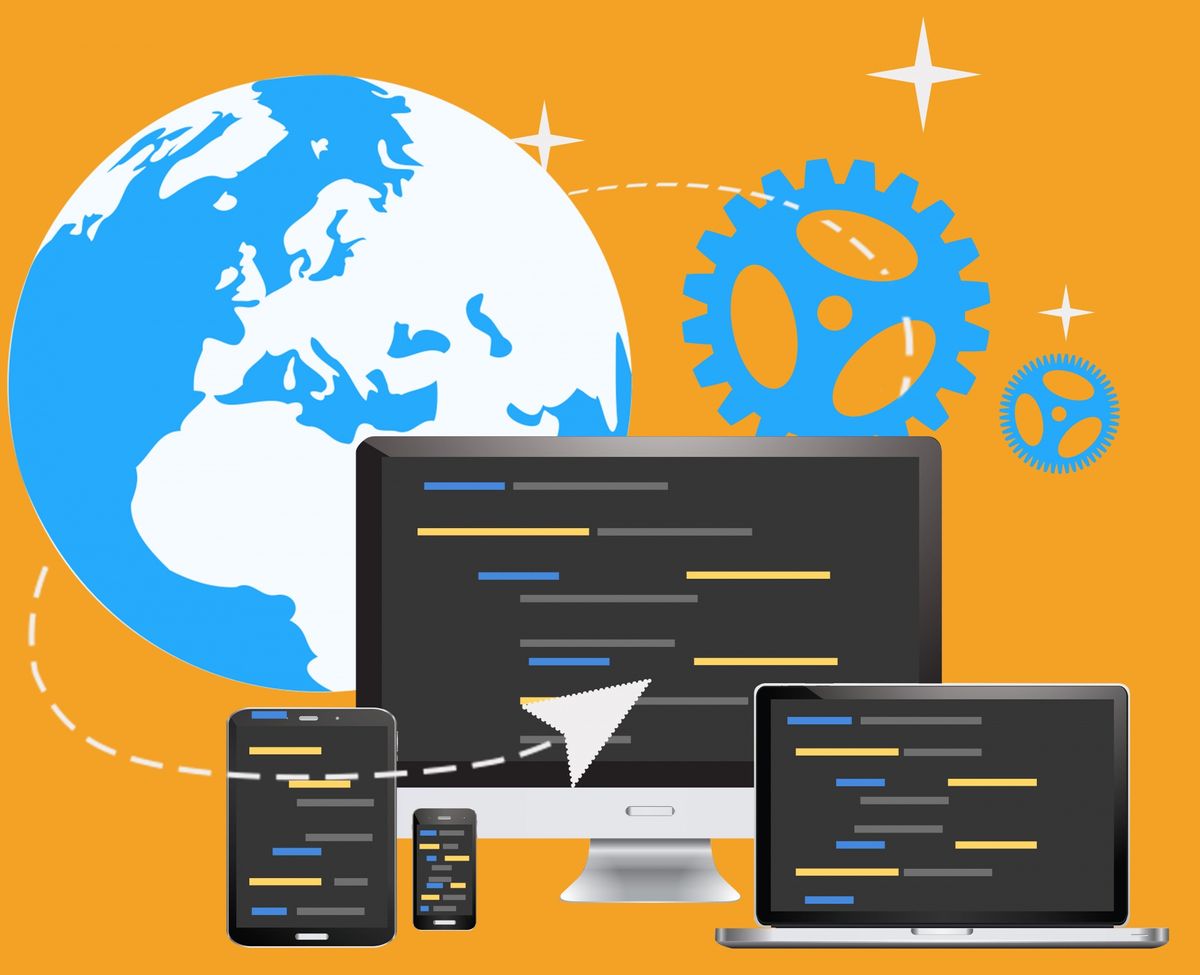
Responsive Design Patterns and CSS Frameworks
In the realm of web development, responsive design is not just a trend; it's a fundamental approach to ensure that websites are accessible and aesthetically pleasing across a multitude of devices. The use of CSS frameworks has become an indispensable part of this process, providing developers with a toolkit for rapid, consistent, and scalable design solutions.
Frameworks such as Bootstrap, Materialize, and Tailwind CSS offer pre-designed components that can be customized to fit the unique visual identity of any project. These frameworks are complemented by CSS preprocessors like Sass or Less, and CSS-in-JS libraries like styled components, which further enhance the developer's ability to create dynamic and maintainable styles.
The choice of the right framework and tools can significantly streamline the development process, making it possible to achieve a mobile-friendly, pixel-perfect, and retina-ready user interface.
It's crucial to adopt a styling approach that aligns with the specific needs of your application. Whether you opt for a traditional CSS strategy or explore the capabilities of CSS Grid Layout and Flexbox, the goal remains the same: to deliver an exceptional user experience that is both functional and visually engaging.
Remember, the web is an ever-evolving landscape, and staying informed about the latest design patterns and frameworks is key to success. Dive into the world of responsive design, and let's create web interfaces that are not only beautiful but also inclusive and efficient.
Data Visualization Trends: D3.js and Other Tools
In the realm of web development, data visualization has become an indispensable tool for translating complex data into compelling, interactive visual narratives. As we navigate through the vast sea of information, tools like D3.js stand out for their flexibility and power, enabling developers to create rich, engaging experiences.
The landscape of data visualization is ever-evolving, with new trends emerging that redefine how we understand and interact with data. Here are a few key trends to watch:
- Real-time data visualization: As businesses demand faster insights, tools that can provide live data feeds are becoming crucial.
- Integration with AI and machine learning: Enhancing visualizations with predictive analytics and pattern recognition.
- Immersive experiences: Using VR and AR to create more engaging and interactive data presentations.
Embracing these trends not only elevates the user experience but also provides a competitive edge in the business analytics landscape. The ability to present data in a clear, concise, and interactive manner is no longer a luxury—it's a necessity.
As we look to the future, the intersection of data visualization and emerging technologies like AI will undoubtedly lead to more sophisticated and insightful analytics. The AI revolutionizes business analytics by providing real-time insights, enhancing data visualization, and enabling informed decision-making for accelerated growth and operational efficiency.
Stay ahead of the curve by integrating these trends into your development strategy. Remember, the goal is not just to display data, but to tell a story that resonates with your audience and drives action.
User Experience (UX) Principles in Web Development
In the realm of web development, Web User Experience Innovations are pivotal in shaping how users interact with online platforms. The essence of UX lies in creating a seamless, intuitive, and engaging environment that not only meets but exceeds user expectations. A well-crafted UX design ensures that visitors are not bewildered by complex navigation or overwhelmed by excessive information.
The goal is to present the most crucial information prominently, catering to the user's immediate needs. Studies have indicated that a staggering 80% of users do not peruse the entirety of a webpage, underscoring the importance of strategic content placement.
To achieve an optimal UX, consider the following points:
- Prioritize functionality alongside aesthetics to ensure a harmonious balance.
- Embrace mobile optimization as a cornerstone of design, reflecting the surge in mobile browsing.
- Tailor the UI to resonate with your target demographic, accommodating preferences such as larger text for older audiences.
As we delve deeper into the intricacies of UX design, we invite you to join the conversation and share your insights. Together, let's explore the frontiers of user experience and forge digital spaces that are not only functional but also a joy to navigate.
Emerging Trends in Web Development

Progressive Web Apps (PWAs): Prospects and Challenges
The advent of Progressive Web App Development has marked a significant shift in the web development landscape. These applications blend the best of web and mobile app features, offering a seamless user experience irrespective of device or network conditions. The allure of PWAs lies in their ability to function offline, receive push notifications, and load quickly, which can lead to increased engagement and conversions.
However, the journey of adopting PWAs is not without its challenges. Developers must consider factors such as browser compatibility, service worker implementation, and the intricacies of caching strategies. Moreover, the decision between a Progressive Web App and a native application is pivotal, hinging on the specific needs and goals of the business.
Embracing Progressive Web App Development is not merely a technical decision; it's a strategic move towards future-proofing your digital presence. It's about leveraging AI-driven analytics for data-driven growth, enabling predictive decision-making, and catalyzing industry transformation while maintaining ethical considerations.
To truly harness the potential of PWAs, one must weigh the pros and cons carefully:
- Pros: Accessibility, cost-effectiveness, and ease of maintenance.
- Cons: Limited access to device features and potential performance issues on complex applications.
In conclusion, Progressive Web App Development is an exciting frontier for businesses seeking to innovate and captivate their audience. As you navigate this terrain, remember to stay informed, experiment, and adapt to the evolving digital ecosystem. Engage with us further to explore the transformative power of PWAs for your business.
The Rise of AI and Machine Learning in Web Development
As we delve into the Cutting-Edge Web Development Trends, it's impossible to overlook the monumental role that AI and Machine Learning are playing in shaping the Web Development Future Outlook. These technologies are not just buzzwords; they are actively transforming the industry, leading to significant Web Development Industry Disruptions.
- AI-driven analytics for user behavior prediction
- Machine learning algorithms for personalized content delivery
- Automated code generation and optimization tools
The integration of AI and Machine Learning into web development tools is not a distant dream but a rapidly unfolding reality. These Emerging Web Development Tools are setting a new standard for innovation and efficiency.
The synergy between AI and web development is creating a landscape where developers can harness the power of intelligent algorithms to enhance user experiences, streamline development processes, and create more dynamic, responsive websites. As we continue to witness these advancements, it's clear that the web development community must remain agile, continuously learning and adapting to stay at the forefront of this technological revolution. Remember, the future is not just about adapting to change—it's about embracing it. Explore the possibilities, and consider how you can leverage AI and Machine Learning in your next project. For those looking to stay ahead of the curve, Fiverr Pro offers top-quality freelancers, including expert API integration services, to help you navigate these new waters.
Virtual Reality (VR) and Augmented Reality (AR) in Web Interfaces
As we delve into the realm of Innovative Web Technologies, the integration of Virtual Reality (VR) and Augmented Reality (AR) in web interfaces stands out as a transformative trend. These technologies are not just reshaping entertainment; they're revolutionizing the way we interact with web content. Imagine browsing an online store and using AR to visualize products in your own space, or attending virtual meetings where VR makes you feel like you're in the same room with participants from across the globe.
The potential for VR and AR in web interfaces is vast, offering immersive experiences that go beyond the screen and into our physical world.
The adoption of VR and AR in web development is still in its infancy, but the prospects are thrilling. Here's a glimpse of what's possible:
- Enhanced User Engagement: By creating interactive and immersive experiences, websites can captivate users like never before.
- Innovative Marketing: Brands can leverage VR and AR for unique advertising campaigns that create memorable impressions.
- Education and Training: These technologies can simulate real-world scenarios for more effective learning and skill development.
To stay ahead in the web development landscape, it's crucial to keep an eye on these emerging trends. Embrace the challenge, and consider how you can incorporate VR and AR into your next project. If you're seeking guidance, Stas Sorokin offers expert web development consultation services, specializing in tech stack selection and innovative frameworks. The future of web development is here, and it's time to be a part of it. Are you ready to take the leap into a more interactive and engaging digital world?
Best Practices for Modern Web Development
Adopting a Mobile-First Approach in Web Design
In the realm of Next-Generation Web Development, a mobile-first approach is not just a trend; it's a fundamental shift in design philosophy. This strategy prioritizes the mobile experience from the outset, ensuring that all users have a seamless and engaging interaction with your digital presence, regardless of the device they use.
Embracing mobile-first design is to acknowledge the predominance of mobile browsing in today's digital landscape. It's about leveraging Advanced Web Design Techniques to deliver content that is not only accessible but also optimized for performance on smaller screens.
Responsive Web Design Innovations have transformed how we think about user interfaces. The following points highlight the critical aspects of adopting a mobile-first strategy:
- Prioritize functionality over aesthetics to ensure intuitive and user-friendly experiences.
- Optimize for mobile to cater to the increasing number of users who browse primarily on their devices.
- Implement responsive design practices to accommodate various screen resolutions and devices.
By focusing on these areas, developers and designers can create web applications that are not only visually appealing but also robust and adaptable to the ever-changing array of devices and screen sizes. Remember, the goal is to provide an optimal user experience that fosters engagement and drives data-driven growth.
Security Considerations for Web Applications
In the realm of Web Development Best Practices, security is not just a feature; it's a fundamental necessity. As developers, we must be vigilant in protecting our web applications from the myriad of threats that lurk in the digital landscape. Understanding common vulnerabilities, such as SQL injection and cross-site scripting, is the first step towards crafting a fortress around your digital presence.
Implementing strong authentication measures, like two-factor authentication and role-based access control, is not just recommended; it's imperative for securing user access.
Regular software updates are a cornerstone in maintaining the integrity of your web applications. They serve as the critical patches that shield your digital assets from the relentless attempts of cyber adversaries. Here's a concise list of security measures to consider:
- Proactive protection against common vulnerabilities
- Strong authentication measures
- Regular software updates and patch management
- Secure coding practices and code reviews
- Data encryption and secure data storage
Remember, securing your web application is a continuous process that adapts with the evolving threats. It's about creating web applications that are not only functional and user-friendly but also resilient against the sophisticated attacks of today. Let's guide you toward the optimal choice for safeguarding your users and data.
Continuous Integration and Deployment (CI/CD) in Web Development Workflows
In the realm of modern web development, CI/CD practices are indispensable for achieving a seamless and efficient workflow. These practices not only enhance collaboration between development and operations teams but also ensure that software is developed, tested, and deployed with unprecedented speed and reliability.
- Continuous Integration (CI): Developers merge code changes into a central repository, triggering automated builds and tests.
- Continuous Deployment (CD): Each change that passes the automated tests is deployed to production automatically, reducing the time to market.
Embracing CI/CD methodologies means committing to a culture of regular, incremental improvements. It's a strategic move that aligns with the agile principles of adaptability and customer-centricity.
Full-Stack Development Insights reveal that by integrating CI/CD into their workflows, developers can not only improve the quality of their code but also reduce the risk of errors and downtime. This proactive approach to software delivery is a cornerstone of a DevOps culture, where the emphasis is on building, testing, and releasing software more quickly and frequently.
As we navigate the ever-evolving web development landscape, it's clear that CI/CD is more than a trend—it's a best practice that fosters a competitive edge. To stay ahead, web developers must continually adapt and refine their CI/CD skills, ensuring they are equipped to meet the demands of an agile, fast-paced market. Are you ready to revolutionize your development process? Dive deeper into CI/CD with our comprehensive guide and join the ranks of those leading the charge in innovation.
Conclusion
In conclusion, the web development landscape is a dynamic and multifaceted domain, characterized by the continuous evolution of technologies and methodologies. HTML remains the bedrock of web content structure, while frameworks like React and Angular are revolutionizing the way we build interactive user interfaces. Laravel and PHP continue to offer robust solutions for server-side development, ensuring that the back-end of web applications is as performant and scalable as their front-end counterparts. As we navigate through the trends and best practices of these technologies, it is imperative for developers to remain agile, embracing new tools and paradigms that enhance the web experience for users and streamline the development process. Ultimately, the successful navigation of this landscape requires a balance of foundational knowledge, adaptability to emerging trends, and a commitment to best practices in web development.
Frequently Asked Questions
What are the 'Big Three' frameworks in front-end development?
The 'Big Three' refers to Angular, React, and Vue.js, which are popular JavaScript frameworks used for building dynamic and responsive user interfaces.
How has PHP evolved in the context of web development?
PHP has evolved from a simple scripting language to a powerful tool for web development, with frameworks like Laravel offering robust features for modern web applications.
What are Progressive Web Apps (PWAs) and their benefits?
PWAs are web applications that use modern web capabilities to deliver an app-like experience to users. They are fast, reliable, and can work offline, providing advantages such as improved user engagement and performance.
How do back-end technologies like Node.js and .NET Core compare?
Node.js is a JavaScript runtime used for building scalable network applications, while .NET Core is a cross-platform framework for building high-performance web applications. Both have their own strengths and are chosen based on project requirements.
What is the importance of responsive design in web development?
Responsive design ensures that web applications look and function well on all devices, providing a seamless user experience regardless of screen size or resolution.
What are some emerging technologies in web development?
Emerging technologies in web development include AI and Machine Learning for personalized experiences, Virtual Reality (VR) and Augmented Reality (AR) for immersive interfaces, and the use of Backend as a Service (BaaS) platforms for streamlined backend management.


Comments
Post a Comment