Navigating the Web Development Landscape: Trends and Best Practices in HTML, React, Angular, Laravel, and PHP

The realm of web development is dynamic, with technologies evolving at a rapid pace. In this article, we delve into the latest trends and best practices within the web development landscape, focusing on pivotal technologies such as HTML, React, Angular, Laravel, and PHP. We'll explore how these technologies are shaping the industry, their role in meeting various development needs, and the strategic considerations for their selection and implementation.
Key Takeaways
- Understanding the evolution of frontend development, including HTML5's standardization, React's component-based architecture, and Angular's structure for large-scale applications is essential.
- Backend technologies like PHP and Laravel continue to be crucial, with PHP as a server-side scripting pioneer and Laravel as a modern framework offering elegant syntax and features.
- Adherence to coding fundamentals and best practices, including OOP, functional programming, and security, is fundamental for robust and secure web applications.
- Emerging trends such as PWAs, AI and ML integration, and serverless architectures are redefining user experiences and the technological landscape of web development.
- Choosing the right strategic framework, whether it's React, Angular, Vue.js for frontend or Laravel, Node, and others for backend, depends on project needs and developer expertise.
The Evolution of Frontend Development: HTML, React, and Angular
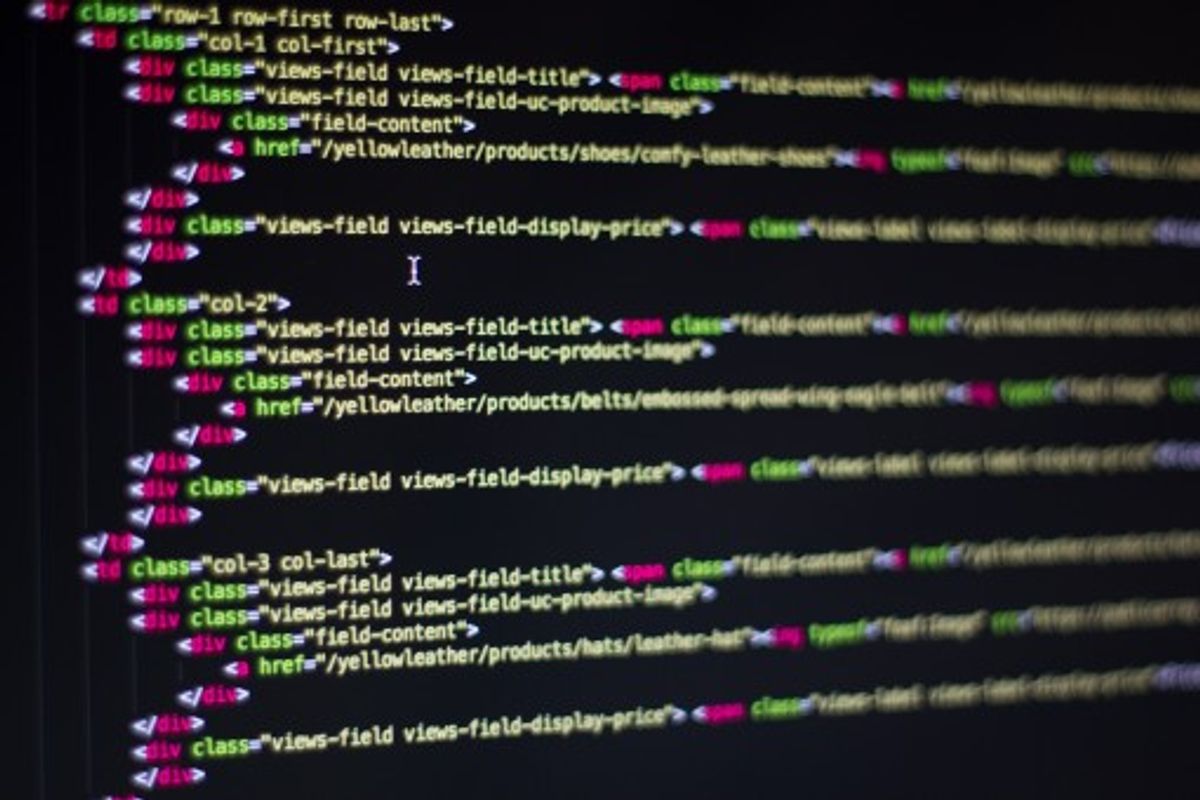
HTML5: The Markup Language Standard
As we delve into the realm of Front-End Development Technologies, HTML5 stands as the cornerstone, shaping the way content is structured and presented on the web. This latest iteration of the Hypertext Markup Language has revolutionized the developer's toolkit with semantic tags that enhance accessibility and search engine optimization.
HTML5 has introduced a suite of semantic elements that provide clear context to both browsers and developers. Elements like <header>, <footer>, <article>, and <section> not only structure the content more meaningfully but also contribute to a more navigable web for users with assistive technologies.
Embracing HTML5's semantic elements is not just about adhering to standards; it's about crafting a web that is universally understandable and accessible.
Moreover, HTML5 is the bedrock for advanced web applications, supporting multimedia elements such as audio and video natively, without the need for third-party plugins. This seamless integration is pivotal for web developer specializing in AI-powered applications using GPT-4 technology, ensuring that the user experience remains fluid and engaging across all platforms.
To truly master HTML5, consider these best practices:
- Use semantic elements to define the structure of your web pages.
- Implement form validation to enhance user interactions.
- Employ multimedia elements to enrich the user experience.
By integrating these practices, developers not only adhere to modern web standards but also pave the way for future innovations in web development. As you continue to navigate the ever-evolving landscape of web technologies, remember that the mastery of HTML5 is a testament to your commitment to excellence in the digital realm.
React: The Rise of Component-Based Architecture
React has revolutionized the way we think about web interfaces through its component-based architecture. This paradigm shift has not only made code more reusable and maintainable but has also introduced a level of modularity that was previously difficult to achieve. With components, developers can encapsulate logic and state, leading to a cleaner and more intuitive codebase.
The declarative nature of React's syntax simplifies the process of building complex user interfaces. By describing what the UI should look like, React takes care of the heavy lifting, updating the DOM to match the specified state. This approach is a stark contrast to the imperative style that requires developers to manually control the DOM, often leading to errors and inefficiencies.
State management is another area where React shines. Tools like Context API and Redux offer robust solutions for managing state across large applications. The evolution of automation tools in software engineering has seen a shift from basic scripts to sophisticated AI systems. In React's ecosystem, AI integration can significantly enhance efficiency, quality, and productivity, making it a crucial consideration for developers.
React's ecosystem is rich with libraries and tools that further streamline development. From state management with Redux to routing with React Router, and form handling with Formik, the possibilities are vast. Choosing the right set of tools is key to building high-performance applications that stand the test of time.
As you navigate the web development landscape, consider how React's component-based architecture can serve your project's needs. The right framework can make all the difference, and React's proven track record makes it a compelling choice for developers aiming to build scalable and robust web applications.
Angular: Structuring Large-Scale Web Applications
Angular stands out in the web development ecosystem as a robust framework designed for building large-scale applications. Its architecture, enriched with TypeScript support, provides a well-defined structure that is both scalable and maintainable. Angular's comprehensive suite of tools and features, such as two-way data binding and dependency injection, streamline the development process, making it an ideal choice for enterprise-level projects.
When considering Angular for your project, it's essential to weigh its strengths against your specific needs. Here's a quick rundown of Angular's core advantages:
- Modular development: Break down your app into manageable, reusable components.
- Type safety: TypeScript offers compile-time error checking, enhancing code quality.
- Rich ecosystem: Access a wide array of third-party libraries and tools.
Embrace Angular's methodical approach to ensure your web application's architecture is primed for growth and complexity.
As the digital landscape evolves, so too must our tools and methodologies. Angular's commitment to regular updates means that your application can stay ahead of the curve, leveraging the latest in web technologies. Remember, the integration of modern features like AI-driven analytics can transform data into actionable insights for your business, paving the way for innovation and growth.
Backend Technologies: PHP and Laravel in Focus
PHP: The Server-Side Scripting Pioneer
As we delve into the realm of Back-End Development Advances, PHP stands as a testament to the enduring power of server-side scripting. Its simplicity and efficiency have paved the way for dynamic web content, revolutionizing how we interact with websites.
PHP's ability to integrate seamlessly with databases and its wide range of frameworks, such as Laravel and CodeIgniter, offer developers the tools to build robust and scalable web applications. Here's a glimpse into PHP's versatility:
- Rapid development cycles
- Extensive community support
- Compatibility with various servers and databases
Embracing PHP in the modern web ecosystem means leveraging a language that has matured through decades of innovation and community input.
As we navigate the AI era, strategies for scaling and customizing SaaS become crucial. PHP's adaptability allows for the integration of advanced AI tools, like OpenAI Feather, fostering innovation and democratizing AI development. This adaptability grants businesses a competitive edge, essential for success in today's digital landscape.
Join us as we explore the depths of PHP's capabilities and its role in shaping the future of web development. Engage with us, share your experiences, and let's collectively push the boundaries of what's possible with PHP.
Laravel: The Modern PHP Framework
In the realm of web development, Laravel stands out as a beacon of modernity in PHP frameworks. Its elegant syntax and robust features have streamlined the development process, making it a beloved choice among developers. Laravel's MVC architecture ensures clarity between logic and presentation, a factor that significantly contributes to its maintainability and scalability.
Laravel's ecosystem is rich with tools like Eloquent ORM for database interactions, Blade templating engine for dynamic content rendering, and Artisan CLI for task automation. These tools, among others, empower developers to build applications efficiently.
The framework's emphasis on convention over configuration speeds up development without sacrificing flexibility. Here's a glimpse of Laravel's offerings:
- Seamless routing mechanism
- Built-in user authentication and authorization
- Queue management for deferred task execution
- Scheduled jobs for task automation
Choosing Laravel can be a strategic move for projects requiring a robust, scalable backend. It's a testament to the enduring power of PHP in the web development landscape, modernized for today's complex applications. As you navigate the myriad of backend technologies, consider the transformative potential Laravel brings to your projects. Embrace the framework that aligns with your goals and watch your applications thrive.
Comparative Analysis of PHP Frameworks
In the realm of PHP development, the choice of framework can significantly influence the efficiency, maintainability, and scalability of your web application. Frameworks are not just tools; they are a way to express the architectural vision of your application.
When comparing PHP frameworks, consider the following aspects:
- Community Support and Ecosystem: A vibrant community ensures long-term viability and a wealth of resources.
- Performance: How does the framework handle high traffic and complex operations?
- Learning Curve: The ease with which new developers can adopt and become productive with the framework.
- Security Features: Built-in mechanisms to protect against common vulnerabilities.
- Integration Capabilities: Compatibility with other technologies and services.
Choosing the right PHP framework is akin to selecting a partner for your web development journey; it requires careful consideration of your project's unique needs and goals.
Remember, the best framework for your project may not be the most popular one, but rather the one that aligns with your specific requirements and team expertise. Engage with the community, test out different frameworks, and make an informed decision that will set your project up for success. As you navigate this decision, consider leveraging platforms like Fiverr Pro to find top-quality freelancers who can provide expert services with a money-back guarantee for your web development needs.
Coding Fundamentals and Best Practices

Object-Oriented Programming (OOP) in Web Development
In the realm of web development, Object-Oriented Programming (OOP) stands as a cornerstone, shaping the way developers conceive and construct their code. OOP principles foster a modular and scalable approach to application development, emphasizing the importance of objects as the fundamental units of software design.
The encapsulation of data and behavior within objects not only streamlines the development process but also enhances code maintainability. By leveraging inheritance and polymorphism, developers can create flexible and reusable code, which is crucial in a landscape where efficiency and adaptability are paramount.
Embracing OOP best practices is not just about writing code; it's about crafting a sustainable architecture that stands the test of time and evolution of technology.
Understanding the significance of OOP in web development is essential, as it underpins many of the frameworks and libraries that are in widespread use today. For instance, React and Angular, two titans of frontend development, are heavily influenced by OOP concepts, allowing for the creation of component-based architectures that align with OOP's modular philosophy.
If you're looking to refine your web development skills or seeking guidance on tech stack selection and integration, consider reaching out to experts like Stas Sorokin, who offer professional services and round-the-clock support. The right expertise can propel your project to new heights, ensuring that your web applications are not only robust and scalable but also aligned with the latest industry standards and practices.
Functional Programming: A Paradigm Shift
The shift towards functional programming (FP) in web development marks a significant evolution in coding practices. FP offers a different approach to constructing software, emphasizing immutability, pure functions, and higher-order functions. This paradigm shift is not just theoretical; it has practical implications for the way we write and maintain code.
- Immutability reduces side effects and state change issues.
- Pure functions ensure that the same input always results in the same output, enhancing testability.
- Higher-order functions allow for more abstract and concise code.
Embracing functional programming can lead to more predictable and maintainable applications, as it minimizes mutable state and promotes the use of functions as first-class citizens.
The adoption of FP can be challenging for those accustomed to object-oriented programming, but the benefits are clear. It encourages developers to think in terms of data flow and transformation, leading to cleaner, more robust code. As you navigate the web development landscape, consider the advantages of functional programming and how it can improve your projects. Remember, the choice of paradigm can be as crucial as the choice of technology. Explore this shift and see how it can enhance your development process.
Security Measures and Vulnerability Prevention
In the realm of web development, security is not just a feature; it's a necessity. As developers, we must embrace the responsibility of safeguarding user data and ensuring the integrity of our applications. Implementing HTTPS is the first line of defense, encrypting data to thwart eavesdropping and tampering during transit. But the vigilance doesn't stop there.
Access control is pivotal, fortified by secure authentication methods such as multi-factor authentication. This not only strengthens defenses against unwanted access but also instills confidence in users. Regular security audits and vulnerability assessments are the keystones of preemptive security, coupled with the timely patching of identified vulnerabilities to mitigate the risk of data breaches.
Building a robust defense also involves session management strategies and validating user input to prevent common threats like SQL injection. Adhering to safe coding practices is a continuous journey, one that evolves with the landscape of emerging security risks.
To ensure the security of your web application, consider the following checklist:
- Use HTTPS for encrypted communication.
- Implement safe authentication procedures.
- Verify user input to avoid vulnerabilities.
- Conduct frequent security audits.
By integrating these practices into your development process, you create a fortress that not only protects but also enhances the user experience. Remember, a secure application is the cornerstone of user trust and a reflection of your commitment to excellence. Explore categories like programming on platforms such as Fiverr Pro to find professionals who can help you fortify your web applications and join a community dedicated to business solutions and education.
Design Patterns and Architecture in Web Development
In the realm of web development, advanced web design techniques and architectural patterns are not just about aesthetics; they are crucial for creating robust, scalable, and maintainable applications. Embracing web development best practices, including the use of design patterns, can significantly enhance the quality of your projects.
The right design pattern can simplify complex code structures, making them more predictable and easier to debug. It's about finding harmony in the chaos of code.
For instance, the Model-View-Controller (MVC) pattern is widely adopted for its clear separation of concerns, which streamlines development and testing. Similarly, the Singleton pattern ensures a class has only one instance, optimizing resource usage. Here's a quick overview of some common patterns:
- Singleton: Ensures a class has only one instance and provides a global point of access to it.
- Observer: Allows a set of objects to watch an object and be notified of changes.
- Factory: Creates objects without specifying the exact class of object that will be created.
- Strategy: Enables selecting an algorithm's behavior at runtime.
Incorporating these patterns into your development workflow can lead to more efficient codebases and a smoother development process. As you continue to navigate the web development landscape, remember that the strategic selection of design patterns and architecture is pivotal to project success. Stay informed, stay engaged, and let these best practices guide you to excellence in your web development endeavors.
Emerging Trends in Web Development

Progressive Web Applications (PWAs) and User Experience
In the realm of Innovative Web Technologies, Progressive Web Applications (PWAs) stand at the forefront, merging the best of web and mobile app features. These applications are a cornerstone of Next-Generation Web Development, offering native-like capabilities, rapid loading, and the ability to function offline. As Modern Web Application Frameworks evolve, PWAs are becoming increasingly integral to enhancing Web User Experience Innovations.
The adoption of PWAs is not just a trend; it's a strategic move towards more engaging, accessible, and performant web solutions.
PWAs utilize service workers for offline functionality and web app manifests for device installation, embodying Responsive Web Design Innovations. Their features, such as push notifications and background syncing, are pivotal in elevating user engagement across various platforms. The development of PWAs is a testament to the commitment to Progressive Web App Development, ensuring that users receive a seamless experience irrespective of their device or connectivity.
The following points highlight the benefits of PWAs in enhancing user experience:
- Native app-like functionality and performance
- Faster load times with efficient caching
- Offline capabilities ensuring constant access
- Improved user engagement with features like push notifications
As we navigate the web development landscape, it is crucial to recognize the role of PWAs in shaping the future of online interactions. Their ability to deliver a superior user experience makes them an essential component of any digital strategy. Embrace the change, and let's build web solutions that are not only functional but also delightful to use.
Artificial Intelligence and Machine Learning Integration
The Web Development Future Outlook is being reshaped by the integration of Artificial Intelligence (AI) and Machine Learning (ML), heralding a new era of online applications that are more intuitive and user-friendly. These technologies are not just buzzwords; they are pivotal in creating tailored user experiences and predictive analytics that can significantly enhance app operation.
The potential of AI and ML to transform the web development landscape is immense, with these technologies poised to drive data-driven growth and innovation.
Emerging Web Development Tools powered by AI are automating tasks, improving accuracy, and preventing defects. AI-driven analytics are becoming a cornerstone for quality assurance, with tools capable of analyzing code, simulating user behavior, and identifying potential issues before they escalate. To Leverage AI-driven analytics for data-driven growth, key strategies include promoting AI literacy, developing scalable data infrastructure, personalizing customer experiences, utilizing AI for decision-making, and addressing implementation challenges.
The Web Development Industry Disruptions caused by AI and ML are not without challenges. Implementation requires a thoughtful approach to ensure that these powerful tools are used effectively and ethically. As we navigate this transformative period, it is crucial for developers and businesses alike to stay informed and adapt to these emerging technologies to remain competitive and innovative.
Stay ahead of the curve by embracing AI and ML in your web development projects. Harness the power of these technologies to unlock new possibilities and drive success in an ever-evolving digital world.
Serverless Architectures and Cloud Services
As we delve into Cutting-Edge Web Development Trends, serverless architectures stand out as a transformative force. By abstracting server management, developers are liberated to focus solely on crafting impeccable code. This paradigm shift ushers in a new era of efficiency, where the intricacies of infrastructure are handled behind the scenes, paving the way for Full-Stack Development Insights that redefine scalability and cost-effectiveness.
The allure of serverless computing lies in its promise of reduced overhead and its capacity to adapt to varying loads with grace. It's not just about the reduction of costs; it's about the agility and freedom it grants developers to innovate without the shackles of traditional server constraints.
Function-as-a-Service (FaaS) platforms, such as AWS Lambda, Azure Functions, and Google Cloud Functions, epitomize this trend. They offer an environment that scales and maintains itself, responding to events or triggers with precision. Consider the following advantages of serverless web applications:
- Scalability that adjusts to demand
- Cost savings from pay-per-use pricing models
- Simplified deployment processes
- Enhanced focus on user-centric features
In the pursuit of excellence in web development, embracing serverless architectures is not just a fleeting trend; it is a strategic move towards a more streamlined and responsive development process. As you navigate the ever-evolving landscape of web technologies, remember that the choices you make today will shape the digital experiences of tomorrow. Let serverless architectures be the wind in your sails as you chart a course through the complex waters of modern web development.
Strategic Framework Selection for Project Success
Evaluating Frontend Frameworks: React vs. Angular vs. Vue.js
In the realm of web development, the choice of a frontend framework can be a pivotal decision that shapes the future of a project. Selecting between React, Angular, and Vue.js requires a nuanced understanding of their respective ecosystems. Each framework offers distinct advantages that cater to different project needs. React's virtual DOM and one-way data binding provide a flexible environment for rapid development, while Angular's two-way data binding and TypeScript integration offer a more structured approach, ideal for large-scale applications. Vue.js strikes a balance with its simplicity and progressive framework model, making it a strong contender for projects that value ease of integration and developer experience.
- React: Emphasizes a declarative UI and component-based architecture.
- Angular: Focuses on a comprehensive framework with a rich set of features.
- Vue.js: Offers a gentle learning curve and an incrementally adoptable ecosystem.
The key to success lies not only in the technical merits of these frameworks but also in aligning them with the strategic goals of your business. AI-driven analytics revolutionize business decision-making, enabling strategic growth through data insights. Leaders must embrace this shift for success and leverage professional API integration services for seamless data harmonization.
When evaluating these frameworks, consider the community support, performance benchmarks, and the compatibility with other tools in your tech stack. The decision should be informed by both the current project requirements and the anticipated future needs. As the web development landscape continues to evolve, staying informed and adaptable will ensure that your project remains at the forefront of innovation.
Backend Frameworks: Choosing Between Laravel, Node, and Others
The choice of a backend framework can be as pivotal to the success of a web application as the foundation is to a building. Selecting the right backend technology is not just about the current trends; it's about aligning with the project's long-term goals, scalability, and the team's expertise. Laravel, with its elegant syntax and robust features, is often pitted against Node.js for its non-blocking I/O model and JavaScript ubiquity.
When considering backend frameworks, one must weigh various factors:
- Performance: How quickly can the server process requests?
- Scalability: Can the framework handle growth in traffic and data?
- Community Support: Is there a large community to help solve potential issues?
- Learning Curve: How steep is the learning curve for new developers?
- Ecosystem: Are there enough libraries and tools to support development?
The decision should be informed by a thorough understanding of the project requirements and the team's ability to adapt and grow with the chosen technology.
Professional API integration services, starting at $175, offer tailored solutions for seamless integration. Understanding AI decision-making capabilities is crucial for effective integration and business growth. As you navigate the complex web of backend technologies, remember that the right choice can empower your team to build scalable, efficient, and future-proof web applications. Dive deeper into the nuances of each framework and make an informed decision that will set your project on the path to success.
The Role of Developer Expertise in Framework Selection
The selection of a web development framework is not merely a technical decision; it is intrinsically linked to the expertise and experience of the development team. The proficiency of your developers can significantly influence the success of your project.
- Define the project's requirements and objectives.
- Assess the skills and experience of your development team.
- Consider the learning curve associated with new frameworks.
The right framework should align with the team's expertise while also accommodating the project's growth and scalability needs.
Choosing a framework that your team is comfortable with can reduce development time and increase efficiency. However, it's also crucial to consider the future - adopting a framework with a strong community and ongoing support ensures long-term viability. Engage with your team, weigh the pros and cons, and select a framework that not only meets the current needs but also supports the evolution of your application.
As you navigate this critical decision, remember that the right choice can empower your developers, streamline your workflow, and ultimately lead to a more robust and successful application. We invite you to continue exploring the web development landscape with us, and to join the conversation by sharing your experiences and insights.
Conclusion
In conclusion, the web development landscape is a dynamic and multifaceted domain that requires developers to remain agile and informed. The exploration of HTML, React, Angular, Laravel, and PHP within this article underscores the significance of understanding both the foundational elements and the innovative trends that shape the industry. As we have seen, each technology offers unique advantages and caters to specific development needs, from creating interactive user interfaces to robust server-side applications. Best practices in these areas not only enhance the user experience but also contribute to the maintainability and scalability of web applications. It is through the continuous learning and application of these technologies that developers can craft digital solutions that are both cutting-edge and reliable, thereby navigating the web development landscape with expertise and foresight.
Frequently Asked Questions
What are the key features of HTML5 in modern web development?
HTML5 introduces semantic elements, multimedia support, graphic capabilities with canvas, offline application storage, and improved form controls, enhancing the user experience and web application functionality.
How has React changed the web development industry?
React has popularized component-based architecture, enabling developers to build reusable UI components, manage state effectively, and create dynamic and responsive web applications with virtual DOM for better performance.
Why is Angular a good choice for large-scale web applications?
Angular provides a comprehensive framework with robust features like two-way data binding, modular development, dependency injection, and TypeScript support, making it ideal for enterprise-level applications that require scalability and maintainability.
What makes Laravel stand out among PHP frameworks?
Laravel offers elegant syntax, built-in functionalities for common tasks, ORM for database interactions, MVC architecture, and a vibrant ecosystem with tools like Artisan, Eloquent, and Blade templates, streamlining PHP development.
What are the emerging trends in web development for 2024?
Trends include the rise of Progressive Web Applications (PWAs) for native-like experiences, integration of AI and ML for personalized user interactions, and adoption of serverless architectures for cost-effective and scalable cloud solutions.
How should developers approach framework selection for a new project?
Framework selection should be based on the project's requirements, the development team's expertise, scalability needs, and the specific features offered by the framework. React, Angular, and Vue.js are popular for frontend, while Laravel, Node.js, and others are contenders for backend development.


Comments
Post a Comment