Navigating the World of Professional Web Development: Leveraging HTML, React JS, Angular, Laravel, and PHP

In the ever-evolving field of web development, professionals must navigate a complex landscape of technologies and frameworks. This article delves into the intricacies of HTML, React JS, Angular, Laravel, and PHP, providing insights into their roles in modern web development. From semantic markup to scalable applications, and server-side scripting, we'll explore the trends, best practices, and diverse development needs these technologies address.
Key Takeaways
- HTML remains the foundation of web development, with HTML5 enhancing functionality through APIs and better semantic markup, which is crucial for accessibility.
- React JS has revolutionized front-end development with its component-based architecture, leading to increased efficiency and the creation of dynamic user interfaces.
- Angular offers a comprehensive framework for building scalable web applications, and is a key part of the MEAN stack, which integrates MongoDB, Express.js, Angular, and Node.js.
- Laravel, a PHP framework, provides an elegant syntax and tools like Eloquent ORM and MVC architecture, facilitating rapid development and integration with various front-end technologies.
- PHP continues to be a dominant server-side language, with a comparative edge over Node.js in certain aspects, and it remains relevant through continuous improvements and a strong developer community.
The Role of HTML in Modern Web Development
Semantic Markup and Accessibility
In the realm of Web Development Best Practices, semantic markup is not just a recommendation; it's a cornerstone. By using HTML elements that convey the meaning of the information they encapsulate, web developers create a more accessible internet for all users, including those with disabilities. This approach aligns with the core principles of inclusive design and ensures that web content is navigable and understandable by assistive technologies.
Semantic markup also plays a pivotal role in search engine optimization (SEO), as it helps search engines understand the structure and content of web pages, leading to better indexing and ranking.
Here's a quick checklist to ensure your markup meets the standards of accessibility:
- Use header tags (h1, h2, h3, etc.) to structure your content hierarchically.
- Implement alt text for images to provide descriptions for screen readers.
- Employ ARIA (Accessible Rich Internet Applications) roles and attributes when necessary.
- Validate your HTML to catch any potential accessibility issues.
Remember, as a web developer specializing in AI-powered applications using GPT-4, your responsibility extends beyond functionality to include accessibility and user experience. Embrace these practices to not only enhance your professional skill set but also to contribute to a more inclusive web. And if you're looking to refine your expertise, consider leveraging platforms like Fiverr Pro for collaborations that demand premium customer support and a deep understanding of complex integrations.
HTML5 Advancements and APIs
The advent of HTML5 marked a significant milestone in the evolution of Innovative Web Technologies, setting a new standard for web development. HTML5 introduced a suite of powerful APIs and features that have redefined user experiences on the web. Among these advancements, Progressive Web Apps (PWAs) stand out as the future of web development, blurring the lines between web and mobile applications.
HTML5's APIs, such as offline storage, geolocation, and canvas, have empowered developers to create rich, interactive web applications that rival native apps in functionality. The following list highlights some of the key APIs that HTML5 has brought to the forefront:
- Offline storage capabilities
- Advanced geolocation services
- Enhanced multimedia support with the
<audio>and<video>elements - Canvas API for 2D and 3D graphics
- Web Workers for background processing
These features not only enhance the user experience but also provide developers with the tools to build more efficient and engaging web applications. As we delve deeper into the capabilities of HTML5, it's clear that its role in modern web development is pivotal.
Embrace the power of HTML5 in your projects and witness the transformation in your web applications. The seamless integration with front-end frameworks like React.js and Angular further amplifies its potential, making it an indispensable part of the web development toolkit.
Stas Sorokin, a Pro on Fiverr, offers services in web development, AI integration, and API development. Skills include JavaScript, Node.js, PHP, Angular Material, and Laravel. Harnessing these skills can lead to the creation of robust and scalable web solutions that stand the test of time. As you continue to navigate the world of professional web development, remember that the foundation laid by HTML5 is crucial for building the future of the web.
Integration with Front-end Frameworks
In the realm of Cutting-Edge Web Development Trends, the integration of HTML with modern web application frameworks is a testament to the evolution of web technologies. Front-end development technologies have grown from static page designs to dynamic, interactive user experiences, thanks to frameworks like React JS and Angular. These frameworks are at the forefront of Next-Generation Web Development, offering developers the tools to build sophisticated web applications with ease and precision.
The seamless integration of HTML with these emerging web development tools ensures that developers can maintain the accessibility and semantic integrity of web content while harnessing the power of advanced JavaScript frameworks.
Understanding the synergy between HTML and front-end frameworks is crucial for developers aiming to excel in the fast-paced world of web development. Here's a glimpse into how these technologies interplay:
- React JS: Known for its virtual DOM and component-based architecture, React simplifies the creation of interactive UIs.
- Angular: Offers a full-fledged framework with two-way data binding and an extensive suite of development tools.
The choice between these front-end development technologies often hinges on project requirements and team expertise. However, staying abreast of Emerging Web Development Tools and Modern Web Application Frameworks is essential for any developer looking to make a mark in the industry.
As we witness the Evolution of automation tools in software engineering, from basic scripts to AI-driven systems, we see a significant enhancement in speed and reliability. The integration of AI is revolutionizing development, offering unparalleled efficiency, quality, and productivity benefits.
Are you ready to dive into the world of professional web development and leverage these powerful technologies? Embrace the challenge, and let's push the boundaries of what's possible together!
React JS: A Paradigm Shift in Front-end Development

Advantages of ReactJS for Web Development
ReactJS stands at the forefront of Responsive Web Design Innovations, offering a seamless experience for users across various devices. Its virtual DOM facilitates efficient rendering, which is crucial for high-performance applications. The component-based architecture not only streamlines development but also paves the way for Back-End Development Advances by promoting reusable and maintainable code structures.
The declarative nature of JSX in ReactJS enhances code readability, making it more approachable for developers to build and maintain complex applications. This, coupled with a robust ecosystem, empowers developers to craft cutting-edge web applications with relative ease.
Embrace the power of ReactJS and witness the transformation in your web development journey. With its unparalleled advantages, ReactJS is the catalyst for innovation and efficiency in the digital realm.
ReactJS's popularity is not unfounded; it is a testament to its ability to adapt to the ever-evolving landscape of web development. For those seeking expert guidance, Stas Sorokin offers consultation services that can elevate your web projects to new heights. Whether it's API integrations or crafting bespoke web applications, Stas's expertise is a valuable asset in navigating the complexities of modern web development.
Are you ready to harness the full potential of ReactJS for your next project? Reach out to the experts, and let's build the future of the web, together.
Examples of Websites/Applications Built with ReactJS
The landscape of Progressive Web App Development has been significantly shaped by ReactJS, a library that has empowered developers to craft highly interactive and responsive user interfaces. ReactJS's ability to facilitate the creation of single-page applications (SPAs) has been a game-changer, offering users a seamless navigation experience akin to native applications. This has been a pivotal factor in advancing Web User Experience Innovations.
Consider the following examples of ReactJS in action:
- Facebook, the social media giant, leverages ReactJS to manage its dynamic user interface, handling vast amounts of data and real-time updates with ease.
- Airbnb utilizes ReactJS to provide a smooth and intuitive booking experience, showcasing properties with rich interfaces.
- Netflix, the streaming service behemoth, employs ReactJS to deliver a fast and efficient browsing experience, even on low-performance devices.
These examples underscore the versatility and robustness of ReactJS in building applications that are not only performative but also scalable and maintainable. ReactJS's ecosystem and community support further enhance its appeal, providing a wealth of resources and libraries for developers to tap into.
AI-driven analytics revolutionizes businesses by providing actionable insights, accelerating growth, and enhancing decision-making through real-time data interpretation and strategic integration.
As we delve deeper into the intricacies of web development, it becomes clear that ReactJS is a cornerstone of modern web applications. Its impact on SEO, performance, and the overall user experience is undeniable. Embrace the power of ReactJS and witness the transformation in your web development journey. Stay tuned for more insights and strategies to navigate the ever-evolving world of professional web development.
React vs. Angular vs. Vue: Choosing the Right Framework
In the ever-evolving landscape of web development, the choice between React, Angular, and Vue can be pivotal for your project's success. React, with its vast ecosystem and component-based architecture, continues to dominate the scene. Angular, despite its comprehensive features, faces challenges in retaining its user base due to complexity and frequent updates. Vue, on the other hand, remains appealing for its simplicity and ease of use, particularly for smaller projects.
When considering performance, each framework has its merits. Vue is celebrated for its fast rendering and minimal bundle size. React leverages the virtual DOM to optimize updates efficiently, and Angular comes with a suite of optimization tools, albeit with a steeper learning curve.
The decision is more than a technical one; it's about aligning with your project's goals, team expertise, and the long-term vision for your product.
Here's a quick guide to help you navigate this decision:
- Angular: Ideal for enterprise-scale applications, offering a rich set of features and a strong support system.
- React: Best for projects that value flexibility and a large community, suitable for both large and small applications.
- Vue: Recommended for startups or projects that prioritize quick development cycles and a lightweight framework.
Remember, the framework you choose will shape your development process and capabilities. Engage with your team, consider your project's scale and complexity, and select a framework that will empower you to build a robust and maintainable web application. As you ponder this critical decision, we invite you to join the conversation and share your experiences. What framework has propelled your projects to success? Your insights could be the beacon for fellow developers navigating this crucial choice.
Angular: Building Dynamic and Scalable Web Applications

Core Features of Angular
Angular, developed by Google, stands as a comprehensive front-end framework designed for crafting single-page applications with finesse. Its component-based architecture fosters a modular approach to development, allowing for reusable code and streamlined project management.
Key features of Angular include:
- Two-way data binding that synchronizes the model and the view, ensuring that changes in your application state are reflected instantaneously.
- Dependency injection which simplifies the way resources are provided to components, enhancing modularity and testability.
- Modular development enabling developers to divide code into manageable, functional segments.
Angular's ecosystem is rich with tools like the Angular CLI for project scaffolding and Angular Material for UI components, both of which significantly boost developer productivity. The use of TypeScript with Angular not only ensures type safety but also provides better tooling support, resulting in cleaner and more maintainable code.
Embrace Angular's robust ecosystem and its array of features to accelerate growth and overcome challenges in your web development journey. Professional API services are available for seamless integration, allowing you to leverage AI analytics for business success.
As you delve into Angular, remember that mastering this framework can be a game-changer in your professional web development career. It's not just about learning a new technology; it's about adopting a mindset that values quality, efficiency, and innovation.
Performance and Optimization Techniques
In the realm of Advanced Web Design Techniques, performance is not just an option; it's a necessity. To truly excel, one must not only embrace the latest trends but also ensure that their digital creations are optimized for speed and efficiency. Here's how you can achieve that:
- Evaluate your website's current performance to establish a baseline.
- Implement best practices for speed optimization, such as minimizing HTTP requests and optimizing file sizes.
- Leverage cutting-edge tools and technologies that aid in performance tuning.
- Establish a routine for monitoring and maintenance to ensure ongoing optimization.
By adhering to these strategies, you will not only accelerate your website's speed but also secure a top-ranking position on search engines, ultimately delivering an exceptional user experience.
Remember, optimizing your web application is a continuous journey. As you integrate these techniques, consider how you can embrace AI solutions for scalable growth. AI-driven insights can significantly enhance data-driven growth and personalized services, optimizing customer experiences with predictive analytics. Stay ahead of the curve and ensure your web applications are not just functional, but also blazing fast and responsive to user needs.
Angular in the Context of MEAN Stack Development
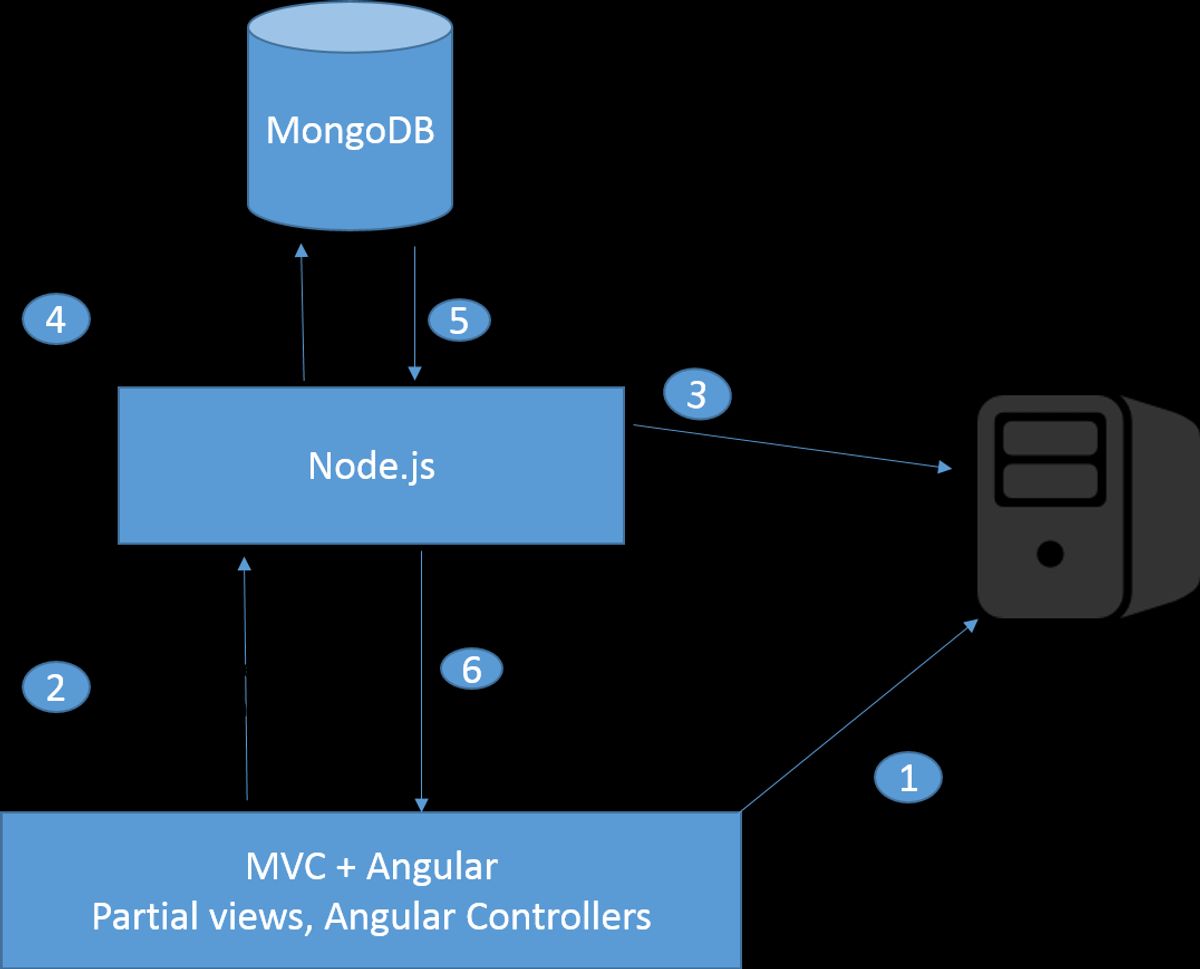
In the realm of Full-Stack Development Insights, Angular's role within the MEAN stack cannot be overstated. This powerful quartet of technologies—MongoDB, Express, Angular, and Node—has revolutionized the way developers approach building web applications. Angular serves as the front-end cornerstone, providing a robust framework for creating dynamic user interfaces that seamlessly integrate with the server-side capabilities of Node.js and the data management prowess of MongoDB.
Angular's component-based architecture and TypeScript integration not only enhance developer productivity but also ensure high code quality and scalability.
The MEAN stack's all-JavaScript environment simplifies the development process, allowing for a unified language across the stack. This coherence is particularly beneficial when implementing complex features such as real-time data updates or handling asynchronous operations. The table below succinctly captures the advantages of each MEAN stack component:
| Technology | Role in MEAN Stack | Key Advantage |
|---|---|---|
| MongoDB | Database | Schema-less, flexible data storage |
| Express | Backend Framework | Fast, unopinionated, minimalist |
| Angular | Frontend Framework | Dynamic, modular UI construction |
| Node.js | Server Environment | Non-blocking, event-driven I/O |
As we delve deeper into the intricacies of Angular within the MEAN stack, it's clear that the framework's ability to streamline the development process is a game-changer. Embracing Angular in this context is not just about mastering a technology; it's about harnessing the collective power of a cohesive full-stack solution to drive scalable growth and seamless expansion in businesses. The MEAN stack, with Angular at its heart, is a testament to the transformative impact of AI-driven automation and emerging technologies on software development.
Laravel: The PHP Framework for Web Artisans

Eloquent ORM and MVC Architecture
Laravel's Eloquent ORM is a shining example of how an active record implementation can simplify the interaction with your database. It allows for a fluent and expressive syntax that makes database operations a breeze. With Eloquent, each database table has a corresponding "Model" which is used to interact with that table. This approach is not only efficient but also encapsulates the database logic, keeping your code clean and maintainable.
In the context of MVC (Model-View-Controller) architecture, Laravel stands out with its elegant handling of these components. The MVC pattern in Laravel ensures a clear separation of concerns, allowing developers to work on individual aspects of the application without stepping on each other's toes. Here's how Laravel elegantly separates these concerns:
- Model: Represents the data structure, using Eloquent ORM for database interaction.
- View: Manages the display of information, with Blade templating engine for rendering data.
- Controller: Handles the user requests, processes them, and responds back.
Laravel's MVC architecture not only promotes a robust design but also enhances teamwork by providing a common structure that all developers can follow.
While Laravel is celebrated for its ease of use and expressive syntax, it's important to note that it may not be the best fit for very large and complex projects where scalability is a key concern. However, for a vast majority of web applications, Laravel's features, such as simple routing, powerful queue library, and straightforward authentication, provide the tools necessary for modern, maintainable PHP development.
Explore the possibilities with Laravel and take your web development to the next level. Whether you're building a high-performing real estate platform or a comprehensive e-commerce solution, Laravel's ecosystem is equipped to handle it. And if you're looking to hire top-quality developers for your next project, consider exploring Fiverr Pro for professionals who guarantee customer satisfaction or your money back.
Integrating Laravel with Front-end Technologies
Laravel's elegant syntax and robust backend capabilities make it a go-to choice for developers aiming to craft seamless web experiences. Integrating Laravel with front-end technologies is not just about blending server-side prowess with client-side interactivity; it's about creating a harmonious digital ecosystem that resonates with users.
When it comes to front-end integration, Laravel shines by offering a variety of options:
- Blade templating engine for dynamic content rendering
- Mix tool for asset compilation
- Vue.js integration for reactive components
Moreover, Laravel's ecosystem is rich with packages that extend its reach into the front-end realm. For instance, Laravel Livewire allows for a full-stack framework approach, enabling developers to build dynamic interfaces with the simplicity of classic server-side development.
The true power of Laravel in front-end integration lies in its ability to streamline complex processes into developer-friendly tasks.
However, it's crucial to consider the scope of your project. While Laravel is a powerhouse for small to medium-sized projects, it may require additional strategies to scale effectively for larger applications. The cost of integrating Laravel can vary widely, from $3,000 to $250,000 for a project, with developer rates ranging from $20 to $100 per hour.
Are you ready to elevate your web development journey with Laravel? Embrace the framework that brings both elegance and efficiency to your digital creations. Dive into the world of Laravel and discover how it can transform your front-end development process. Your next project deserves the sophistication that Laravel offers—explore it now!
Laravel's Ecosystem and Packages
Laravel's ecosystem is a testament to its flexibility and developer-friendly nature. With a vast array of packages and tools, it stands as a beacon for those seeking a robust framework for their web development needs. The ecosystem not only includes essential features like ORM, routing, and authentication but also extends to a plethora of packages that cater to various aspects of web development.
One of the key advantages of Laravel is its ability to integrate seamlessly with various front-end technologies, which allows developers to create cohesive and dynamic user experiences. The framework's eloquent ORM and expressive syntax make it a favorite among web artisans who value clean and maintainable code.
Laravel's ecosystem empowers developers to build efficiently and effectively, ensuring that every line of code contributes to the creation of high-quality web applications.
Despite its strengths, it's important to acknowledge that Laravel may not be the perfect fit for every project. While it excels in small to medium-sized projects, larger and more complex applications may require careful consideration of Laravel's scalability. However, for many developers, the trade-offs are well worth the benefits of working within such a vibrant and supportive community.
As you continue to navigate the world of professional web development, remember that the choice of framework can significantly impact the success of your project. Laravel, with its elegant syntax and rich ecosystem, could be the cornerstone of your next web masterpiece. Dive into the Laravel universe and let your creativity flourish!
PHP: The Server-Side Scripting Powerhouse

PHP in the Modern Web Stack
In the ever-evolving digital landscape, PHP remains a cornerstone of web development, offering a blend of simplicity, flexibility, and power. As a server-side scripting language, PHP is pivotal in creating dynamic web pages and applications that can interact with databases and deliver personalized content to users.
Despite the rise of numerous programming languages and frameworks, PHP's role in the modern web stack is reinforced by its compatibility with various databases and its seamless integration with HTML. This synergy is crucial for businesses that rely on AI-driven analytics to empower them with real-time data insights, predictive capabilities, and sustainable competitive advantages.
Here's a glimpse of PHP's integration in the web stack:
- Server-side logic and data processing
- HTML content rendering
- Database management and communication
- Handling user authentication and sessions
- Supporting a wide range of content management systems (CMS)
PHP's enduring popularity is a testament to its adaptability and the robust ecosystem that supports it. From small-scale projects to large enterprise applications, PHP has proven its worth time and again.
As we look to the future, PHP's role may evolve, but its presence in the web stack remains indispensable. Embrace PHP's potential in your next project and witness how it can streamline your development process. Remember, the right tools can make all the difference in delivering a product that stands out in the competitive digital market.
Comparative Analysis: PHP vs. Node.js
In the quest to choose the right backend technology, developers often find themselves weighing the merits of PHP against Node.js. Each has its own set of strengths tailored to different project needs. PHP, a seasoned player in the web development arena, is renowned for its ease of use and deep integration with databases like MySQL. On the other hand, Node.js, a newer entrant, brings JavaScript to the server-side, offering a non-blocking I/O model that is ideal for real-time applications and microservices.
The decision between PHP and Node.js should align with the project's requirements and the team's expertise. PHP's simplicity and readability make it a go-to for traditional web applications, while Node.js is a powerhouse for applications that demand high concurrency and speed.
Here's a quick rundown of when to use each:
- PHP: Best for traditional web applications, CMS platforms, and where rapid development is required.
- Node.js: Suited for real-time applications, single-page applications (SPAs), and when full-stack JavaScript is preferred.
Remember, the choice isn't just about technical capability; it's also about the ecosystem and community support. PHP has a vast array of frameworks and tools, while Node.js is backed by npm's extensive package library. As you navigate this decision, consider how OpenAI Feather can be a game-changer. It empowers enterprises with advanced AI tools, accelerating innovation and leveling the playing field in the digital landscape.
The Future of PHP in Web Development
As we stand on the cusp of new eras in technology, the Web Development Future Outlook is a topic of intense speculation and excitement. PHP, a cornerstone of server-side scripting, is not immune to the winds of change. The language has evolved, embracing modern paradigms and integrating with cutting-edge technologies to remain relevant in a competitive landscape.
The Web Development Industry Disruptions have been both rapid and relentless, with new frameworks and languages emerging to challenge the status quo. Yet, PHP's adaptability has been its saving grace, allowing it to pivot and align with the needs of developers and businesses alike. Consider the following points:
- PHP's continued dominance in server-side scripting
- Its synergy with HTML, JavaScript, and databases like MySQL
- The vibrant community and rich ecosystem of frameworks, including Laravel
In the face of industry disruptions, PHP's resilience and adaptability suggest a vibrant future, one where it continues to empower developers to build robust, scalable web applications.
As we look to the horizon, it's clear that PHP will continue to play a pivotal role in shaping the digital landscape. Its journey is far from over, and for those invested in the art of web development, the path ahead is filled with opportunities for innovation and growth. Embrace the future with an open mind, and let PHP be your guide in the ever-evolving world of web development. Join the conversation and share your thoughts on where PHP is headed next!
Conclusion
In conclusion, the landscape of professional web development is both vast and dynamic, encompassing a variety of technologies and frameworks that cater to different aspects of creating robust, user-friendly web applications. HTML serves as the foundational markup language, while React JS and Angular offer powerful front-end development capabilities with distinct philosophies and use cases. Laravel and PHP provide robust back-end solutions, with Laravel streamlining development with its elegant syntax and powerful features. As we have explored, each technology has its own set of advantages, learning curves, and best practices, which must be understood to effectively leverage them in web development projects. Whether you are hiring developers, choosing a framework for your next project, or simply looking to stay abreast of the latest trends, it is clear that a deep understanding of these technologies is essential for success in the ever-evolving world of web development.
Frequently Asked Questions
What makes HTML5 different from previous versions of HTML?
HTML5 introduces new semantic elements, form controls, multimedia components, and APIs that allow for more interactive and accessible web applications, as well as better integration with modern web technologies.
How does React JS improve the development of web applications?
React JS offers a virtual DOM for better performance, reusable components for faster development, and a unidirectional data flow for predictable behavior, making it ideal for building complex and dynamic user interfaces.
Why is Angular considered a good choice for enterprise-level applications?
Angular provides a robust framework with strong typing through TypeScript, a comprehensive set of features for building scalable applications, and integration with the MEAN stack for full-stack development.
What are the benefits of using Laravel's Eloquent ORM and MVC architecture?
Laravel's Eloquent ORM simplifies database interactions with an active record pattern, while its MVC architecture helps organize code in a maintainable way, separating business logic, presentation, and data layers.
How does PHP fit into the modern web development landscape?
PHP remains a widely-used server-side language due to its ease of use, extensive standard library, and strong community support. It integrates well with various front-end and back-end technologies, making it versatile for web development.
Can you compare the performance and use cases of React JS, Angular, and Vue?
React is known for its high performance and flexibility, Angular for its enterprise-level features and TypeScript integration, and Vue for its simplicity and ease of integration. The choice depends on project requirements and developer preference.


Comments
Post a Comment